

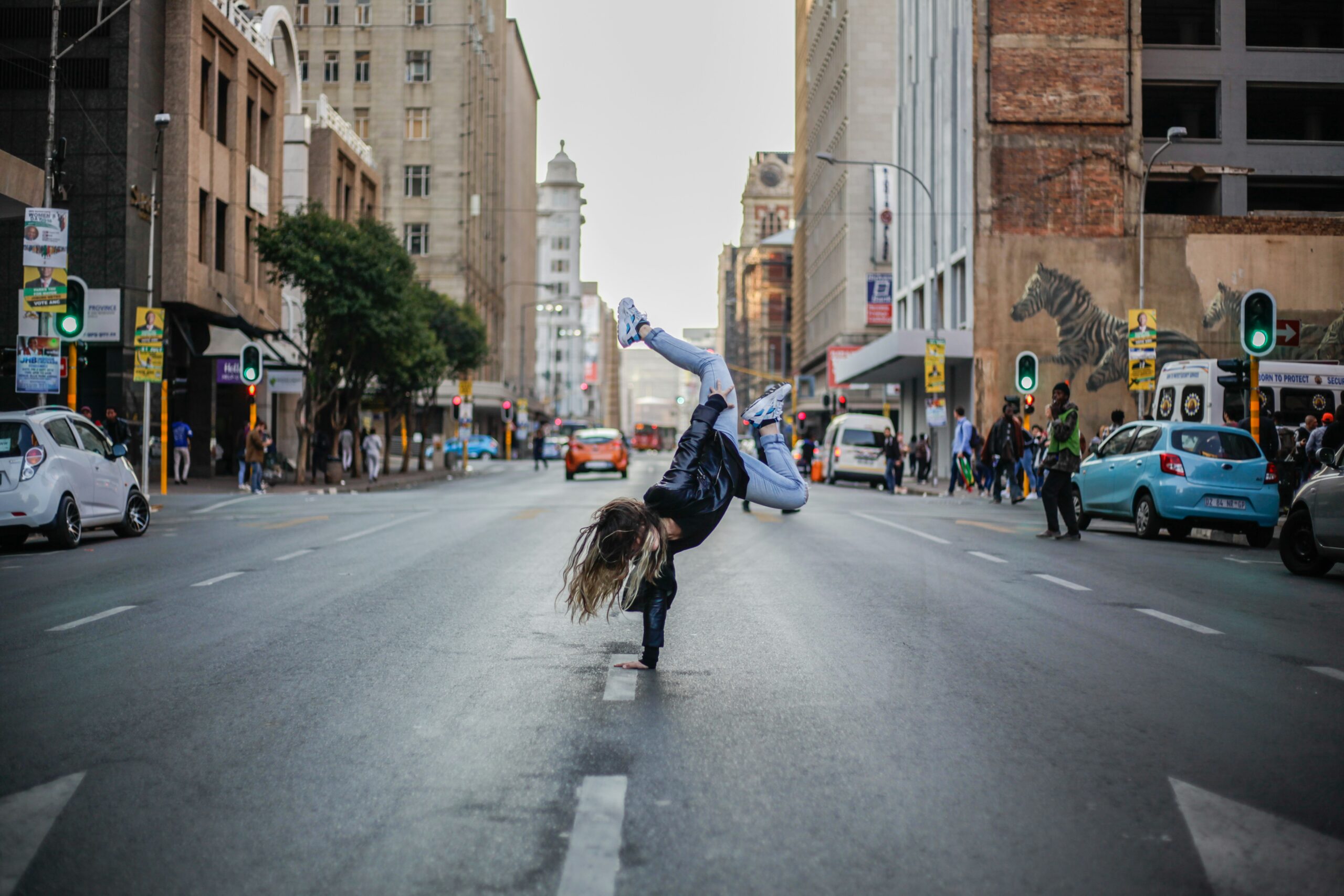
There is an odd contradiction at the heart of tourism marketing. We sell almost everything through content. Before a traveller books a hotel, visits a small town, chooses a safari lodge or adds a destination to an itinerary, they need to be able to imagine being there.
They can’t try the room.
They can’t stand at the viewpoint.
They can’t taste the food.
They can’t meet the people.
So we give them photographs, words and films.
In many ways, content is how travellers experience a tourism product before they actually experience it. Yet when tourism budgets are put together, creating that content is often treated as a secondary marketing expense, and perhaps that’s something our industry needs to rethink.
We spend a great deal getting travellers’ attention. But what are we giving them to pay attention to?
African Travel Crew
We happily pay to distribute content
Tourism businesses spend considerable amounts putting themselves in front of potential travellers. Google Ads. Meta. PR. OTAs. Trade shows. Influencers. Social media. Email marketing. SEO. All have a role to play. But every one of those channels eventually arrives at the same question:
What are we going to show people when they get there?
You can buy the click.
You can generate the impression.
You can get someone onto your website.
But ultimately there needs to be something that makes that person curious enough to continue. That’s the photograph, the story, the film. The person explaining why this place matters. We invest heavily in getting people to the shop window, while sometimes treating what’s actually in the window as the discretionary part of the budget.
Perhaps we’re budgeting backwards
Content production often seems to come after the marketing plan.There’s a campaign to run, a website to update, social channels to feed, an exhibition to attend, advertising to buy, then someone asks: What content do we have?
If there isn’t enough, we make something quickly, repurpose something old, find somebody internally who can shoot it, invite an influencer or see whether a photographer or filmmaker will work in exchange for accommodation. None of those approaches is necessarily wrong, but collectively they reveal something about how we think about content, we tend to treat it as something we consume.
What if instead we thought about content as something we build?
Advertising spend and media assets are not the same thing
Spend R50,000 on an advertising campaign and the campaign runs, people see it, hopefully some respond, then the campaign ends.
Now spend R50,000 creating genuinely useful photographs, written stories and films about your properties, destination or experiences, those assets don’t necessarily stop working at the end of the month. They can live on your website, your sales team can use them, trade partners can share them, PR can use them, they can appear in newsletters, they can be repurposed across social platforms, films can live on YouTube and continue being discovered through search and recommendations.
There is a fundamental difference between paying to distribute something and paying to create something you own. One buys attention, the other can create an asset, tourism marketing needs both.
We have also trained ourselves to expect content cheaply
Tourism has an unusual relationship with content creators. For decades, journalists, photographers and filmmakers have been hosted by tourism organisations, more recently, influencers and creators have been offered accommodation and experiences in return for content. There is absolutely a place for hosted media and collaborations, but somewhere along the way, accommodation has occasionally started being treated as a substitute for a production budget.
The economics don’t really work that way, an unsold hotel room may have a retail price of several thousand rand, but providing that room doesn’t pay a production company’s cameras, editing, software, vehicles, insurance, staff or time. A tourism product can be part of facilitating production it isn’t necessarily payment for production.
That distinction matters if we want professional content.
Then we created an enormous appetite for it
There is another reason the old model no longer works particularly well, we need far more content than we used to. A tourism business once needed a brochure, a collection of photographs, a website and perhaps an occasional promotional film.
Today?
The website needs content, instagram needs content, facebook needs content, tiktok needs content, YouTube needs content, newsletters need content, PR needs content, trade partners need content, advertising campaigns need content, the demand has exploded.
But in many organisations, the budget for actually creating all of this hasn’t evolved at the same rate. We’ve created an industry with an almost unlimited appetite for content without necessarily creating the production infrastructure to feed it.

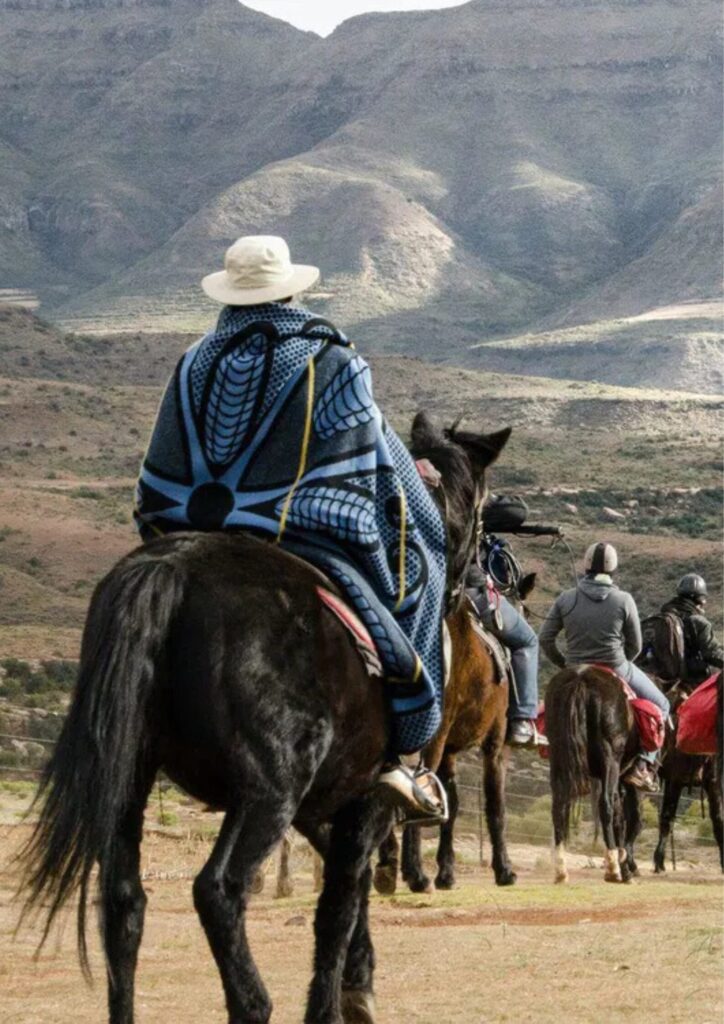
What if we stopped buying pieces of content?
There’s another way of looking at this, instead of asking: “What content do we need for this campaign?” Ask:“What media library should our business own three years from now?” That produces a very different marketing strategy.
Imagine a tourism organisation producing four meaningful films every month. After a year, it owns 48 films, after three years, it owns 144. Not 144 advertisements. Stories about its places, its people, its properties, its food, its wildlife, its history,its experiences, its communities. Add photography and written stories and you’re no longer talking about filling next Tuesday’s social media calendar, you’re building a body of work. And the value of that library can grow as the collection grows.
This is where YouTube becomes particularly interesting
We’ve become accustomed to a short lifespan for digital content. Post something, watch the engagement, move on. But not every platform works that way. A useful YouTube film can be discovered months or even years after it was published. That’s particularly powerful in tourism.
Someone planning a trip to South Africa in 2028 won’t necessarily care that the film which introduced them to a particular town was produced in 2026, they’ve never seen it before, to them, it’s new. That’s why perhaps we shouldn’t think of a tourism YouTube channel simply as another social media channel that needs to be fed, done properly, it can become a searchable library about a place or brand. Ten films tell ten stories, fifty films start building a picture, a hundred films can create a remarkable body of knowledge, inspiration and discovery around a destination, and every new story makes the library a little deeper.
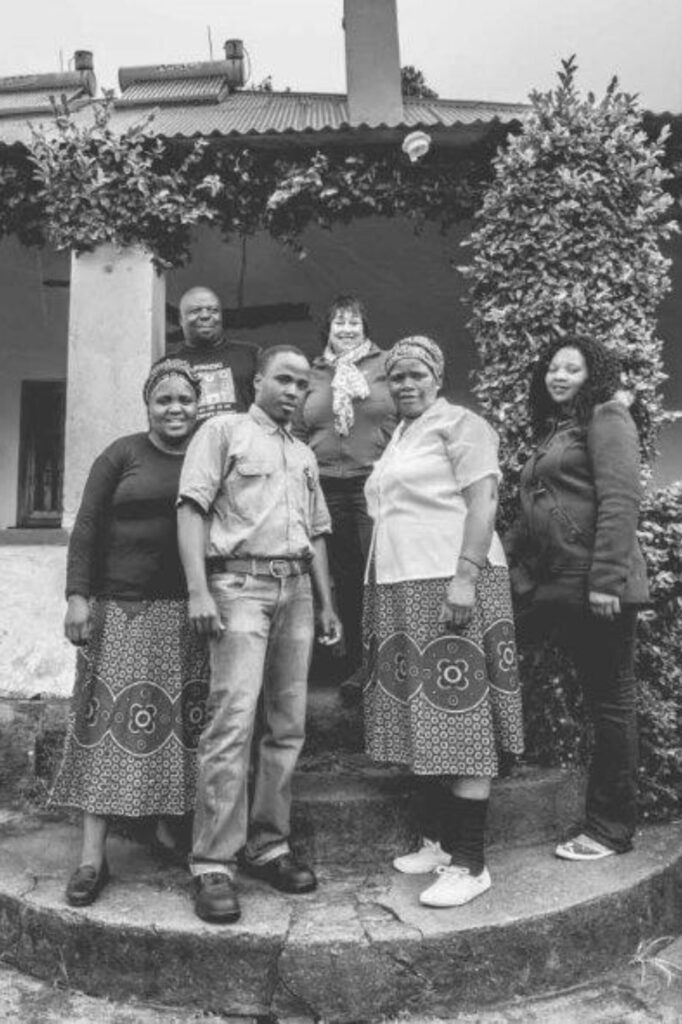

The question isn’t whether tourism can afford content
Perhaps we’ve been asking the wrong question, because tourism businesses already spend money getting people’s attention, and they already depend on images, words and films to convert that attention into curiosity.So the more useful question might be: What media assets should our business be building with that money?
That requires a change in thinking. Content shouldn’t simply be whatever is left after the marketing budget has been allocated, it deserves a strategy of its own.
What stories should we own?
What questions should our content answer?
What places and people should we document?
What should someone discover when they search for us?
And what library do we want to have built three or five years from now?
Tourism doesn’t have a shortage of things worth showing, Africa certainly doesn’t. We have extraordinary landscapes, properties, communities, food, wildlife, history and people, nor do we have a shortage of places to distribute those stories.
Perhaps the opportunity lies in connecting the two differently.
Stop thinking about the next piece of content. Start thinking about the library you're building.
African Travel Crew is an award-winning storytelling studio creating films and visual narratives inspired by Africa’s landscapes, heritage and people.
We believe the best tourism content shouldn’t disappear when a campaign ends. It should become part of a growing body of work that continues introducing people to places long after it was created.
Post Views: 33
Whether you are interested in a film collaboration, destination storytelling project or carefully curated African expedition, we would love to hear from you

Start A Conversation
Selected Recognition & Features


EXPLORE


